Of all the things you can do in the Dolomites, via ferrata might be the most exhilarating. It's one of our most popular optional add-ons, and for good reason — it lets you experience dramatic exposed terrain that would otherwise require serious mountaineering skills.
If you've never heard of it, or you're curious but nervous, here's everything you need to know.
What Is Via Ferrata?
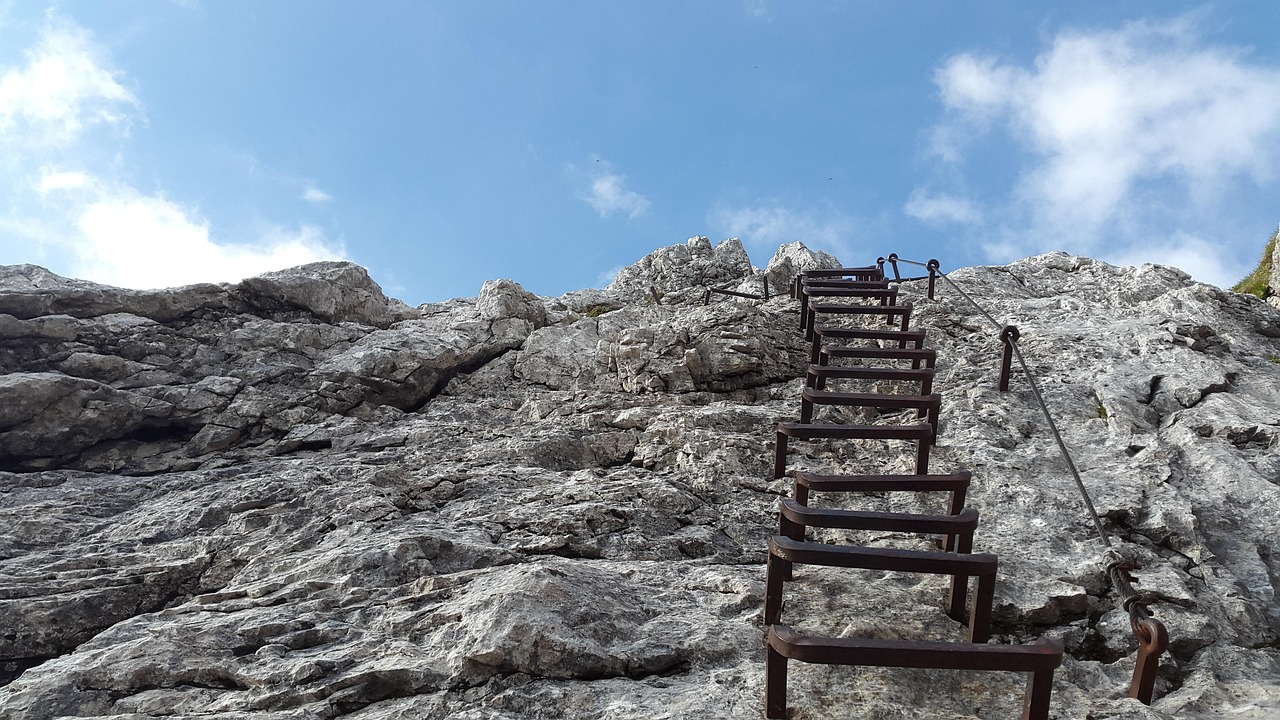
Via ferrata — Italian for "iron path" — is a protected climbing route built into a rock face using metal rungs, ladders, cables, and bridges. You wear a climbing harness with two lanyards that clip onto a steel cable anchored to the rock. As you move along the route, you're always attached to the cable, so even on exposed sections with big drops, you're secured.
The system was originally developed during World War I, when Italian and Austrian troops built iron paths through the Dolomites to move soldiers and supplies through the mountains. After the war, many routes were maintained and expanded for recreational use. Today there are hundreds of via ferrata routes throughout the Dolomites, ranging from easy to extremely challenging.
Do I Need Climbing Experience?
No. That's the beauty of it. Via ferrata bridges the gap between hiking and rock climbing. If you're comfortable on a hiking trail and don't have a severe fear of heights, you can do a beginner-level via ferrata. The metal rungs and ladders provide hand and foot holds, and the safety cable means a slip doesn't mean a fall.
That said, you do need a reasonable level of fitness and some comfort with exposure — there will be moments where you're on a narrow ledge with a significant drop below you. It's thrilling, not terrifying, but it's worth being honest with yourself about your comfort level.
What Equipment Do I Need?
You'll need three things beyond your normal hiking gear:
- A climbing harness — worn around your waist and legs
- A via ferrata lanyard set — two energy-absorbing lanyards with carabiners that clip to the cable
- A helmet — for protection from rockfall and bumps
When you book the via ferrata add-on with us, all equipment is provided and we walk you through exactly how to use it before you start. You'll practice clipping and unclipping on flat ground until it feels natural.
What's It Actually Like?
The route we typically take on Day 4 near Cinque Torri is perfect for first-timers. You start with an approach hike through alpine meadows, then reach the base of the rock where the iron path begins. The first few meters feel unfamiliar — you're gripping metal rungs, your harness is snug, and you're very aware of the cable. But within minutes, you settle into a rhythm.
The route takes you across a rock face with incredible views of the surrounding peaks. There are sections where you're climbing near-vertical ladders, traversing narrow ledges, and crossing a suspension bridge. Each section builds on the last, and by the time you reach the top, you feel like you've genuinely accomplished something remarkable.
The whole experience takes about 2–3 hours including the approach, and it's optional — if you'd prefer to skip it, there's an alternate hiking route that day.
A Bit of History
Hiking a via ferrata in the Dolomites isn't just an adventure — it's a walk through history. Many of the routes pass remnants of World War I: old trenches, tunnels carved into rock, and positions where soldiers lived and fought at extreme altitude. The iron paths you're climbing were, in many cases, originally built by soldiers over a hundred years ago.
It adds a layer of depth to the experience that's hard to describe. You're not just climbing a rock face — you're following footsteps through one of the most dramatic theaters of the Great War.
Almost everyone who tries via ferrata says the same thing afterward: "I can't believe I almost skipped this."
Ready to Hit the Trail?
Join us for a 6-day adventure through the Italian Dolomites
Reserve Your Spot